Weather: Clouds 12/27/2007
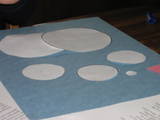
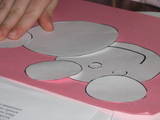
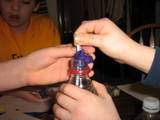
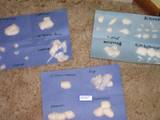
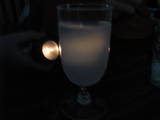
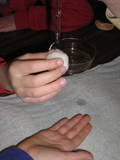
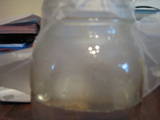
We have finally finished up with clouds. We have talked about, looked at, researched and read about clouds till they are coming out our ears. OMG...as pretty as I think the sky is, and I am a sky person, I am tired of learning about clouds. BUT...here is the rest of what we have done. Out of cottonballs and blue construction paper different cloud formations were made. Each picklet picked four of their favorite clouds and thus the cloud formation poster were made. Talked about why the sky is blue. Did an experiment (can't remember the name of it) with a glass of water, a drop of milk and a flashlight. With the light shining through the milky water we could actually see the bluish tint. Did an experiemnet with cottonballs to see if all clouds held the same amount of raindrops. In this experiment the picklets took 5 cottonballs. While one held the cotton ball, another one dripped water onto 1 by 1 and the other counted. We found that all clouds (at least all cotton balls) are NOT alike. We also "made" a cloud. We took a jar of water, topped it with saran wrap and put ice cubes on the saran wrap. The outcome was condensation on the inside of the jar thus making it look like there was a cloud. The Water Cycle (3-07) 12/27/2007
by the Wicked Picklets Weather: Precipitation (3-7-07) 12/27/2007
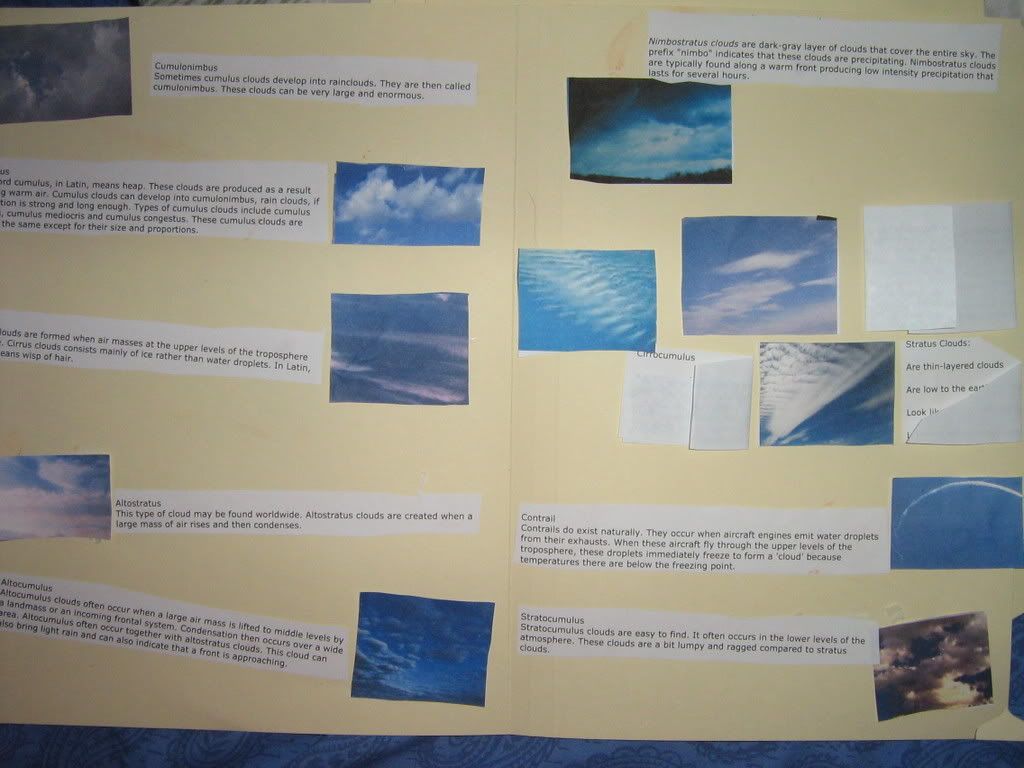
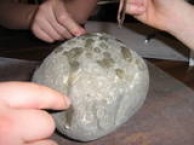
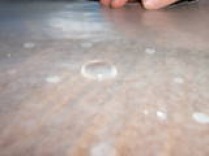
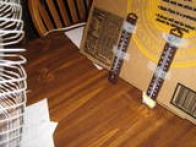
Today we studied precipitation and the weather cycle. We made freezing rain. This was one of the favorites. Sweet picked a round rock from the rock garden and stuck it in the freezer. About an hour later we put it on a piece of waxed paper and the picklets took turns putting drops of water on the rock. The result: FREEZING RAIN! We made a stove top water cycle. Freaken cool and just seeing what we have been talking about clicked for all three of them...it was awesome! We took 2 sauce pans, put one in the freezer and boiled water in the other. When the water was boiling the picklets took the frozen pot and held it over the boiling water and demonstrated the water cycle. Nothing like a fabricated cloud to explain the water cycle! We found the dew point by putting a thermometer in a glass of room temperature water. Ice cubes were added and stirred. We watched the glass until beads of water formed on the outside of the glass. We then read the thermometer and found the dew point was 40º. We found the relative humidity with a homemade Psychrometer. We taped two thermometers to a cardboard box. One of the bulbs of the thermometer was wrapped with wet gauze. The picklets then pointed a fan on high to the thermometers. When the thermometers stopped dropping in temperature both thermometers were read. They then subtracted the wet on from the dry one and found the relative humidity on a chart. The relative humidity was: 62 . While the fan was running and we were waiting for the temperature to stop falling it proved to be the perfect time to practice Darth Vader voices. Nothing like a good "Luke, I am your faaaather" to make learning fun! Watching an Island Be Born (3-07) 12/26/2007
This is soooo cool. This was sent in an e-mail to me by one of my dearest friends. She checked it out on Snopes.com and it is true. The whole story is at Snopes. It is a great story and WHAT a learning experience this is when you explain to your picklets! Enjoy! Note: These are NOT my pictures, I just wanted to share since they were so cool. Polar Bears (2-07) 12/16/2007
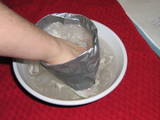
Yesterday was Polar Bear Day! I found this great blog. She lists mini units each day with links and activities. I have really enjoyed looking at all the mini units and making notes about them. Yesterday, since it was science day, I decided we would use the polar bear study since it kinda ties into the weather unit. (They do live in extreme conditions ;-)) A couple of hands on experiments helped to teach how polar bears stay warm. The first showed that black absorbs heat. They took three thermometers, 2 peices of construction paper, two lights and a timer to show this. One thermometer went on the black construction paper, one thermometer was on the white and one thermometer was the control. They each had a station and every thirty seconds they wrote down the temperature on the their thermometer. The result was the thermometer on the black paper went up 6 degrees where the thermometer on the white went up 1. The control thermometer stayed the same. Paragraph.The picklets learned that polar bears can have up to 4 inches of blubber. So we did a blubber experiment. The picklets put shortning in a sandwich bag, put another one inside it and duct taped them together. They put their hand in the "mitten" and stuck their hand in a bowl of ice water. The conclusion was the side of the hand that was insultated with the "blubber" stayed warmer than the side of the hand with no blubber. When we finished with that experiment and cleaned up the picklets finished their KWL charts. They filled in what they learned: Clouds (2-07) 12/16/2007
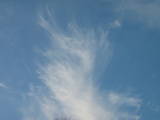
Read pages 8-15 in Eyewitness Explorers Weather aloud. Talked about different cloud types and different layers of the atmosphere. Used Earth's Atmosphere to find temperatures in all the different layers from troposphere to exosphere.
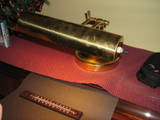
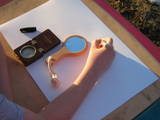
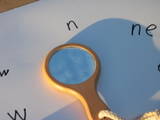
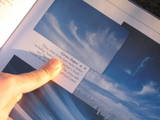
I read Weather Forcasting by Gail Gibbons aloud. We talked about making weather stations and how they are used. ![]() Did experiment #149 in 200 Gooey, Slippery, Slimy, Weird and Fun Experiements by Janice VanCleave.. The nephoscope helped teach the picklets how meterologists determine wind direction in the upper air. ![]() When we got back inside I gave the picklets a list of the cloud names and they looked up the definitions of the clouds and wrote them down. (Will make lapbook on clouds) ©2007WickedPicklesHomeschool If You Wait, They Will Come (2-07) 12/16/2007
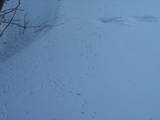
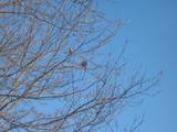
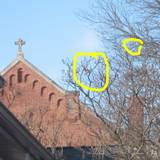
That should read, "If you freeze your butt off long enough looking for birds in the middle of winter, eventually they will get hungry and fly to the feeder." The Wicked Pickle participated in the Backyard Bird Count on Saturday afternoon. Yep, we are one of those red dots! ![]() When we first went to the backyard we noticed several bird prints around the lilac bushes. They seemed to go around in endless circles when we tried to follow them. We also noticed what we think are rabbit prints. (wish the picture showed up better for you) ![]() After searching the lilac bushes for signs of feathered life, we turned our brow upward to find 2 mourning doves perched in the tree that shades our patio. I don't know the exact name of the tree but it distributes those nasty little airplanes each fall. These birds did look like they were a couple but I don't know the mating habits of mourning birds. ![]() We then looked at our neighbors bird feeder to see a couple of dark-eyed Juncos feeding. When I made the move for my camera they flew to the lilac bush. Then a whole flock of them flew out of the bush. OK, I say a whole flock, I mean like 8 or so. May as well have been a flock! (the little blobs inside the yellow circles are the birds) We only spent 15-20 minutes outside. I was freezing my butt off! Before we went in, we hung a suet ball with birdseed on a hook our front. Maybe we will be able to spot some without leaving the comfort our our 65º livingroom. While we tried to warm up, we spent some time looking for the "real" name of the dark-eyed junco. My dad grew up calling them snow birds. I dare you to do a search on google or ask with "snow bird" and your region in the search line. You woulnd't believe some of the stuff that comes up! It ended up that the bird watch website had great pictures of birds for our area. With that and the help my my mother-in-laws bird book we were in business! We received our confirmation in an email shortly after sumitting the results. The picklets are all excited that we are official! Seasons (2-07) 12/16/2007
Let's face it. We all should learn about weather. We should learn about the atmosphere, the hemispheres, the tilt of the earth in relation to the sun, the different clouds, and precipitation. We should learn it all. What better way to learn about it than hands on activities? |